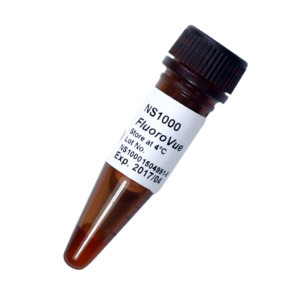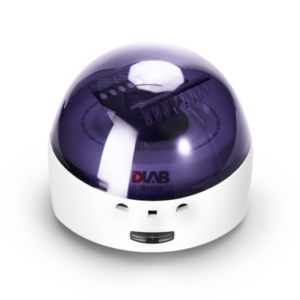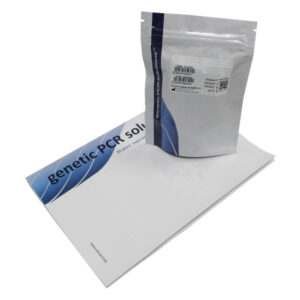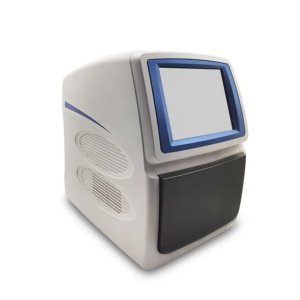


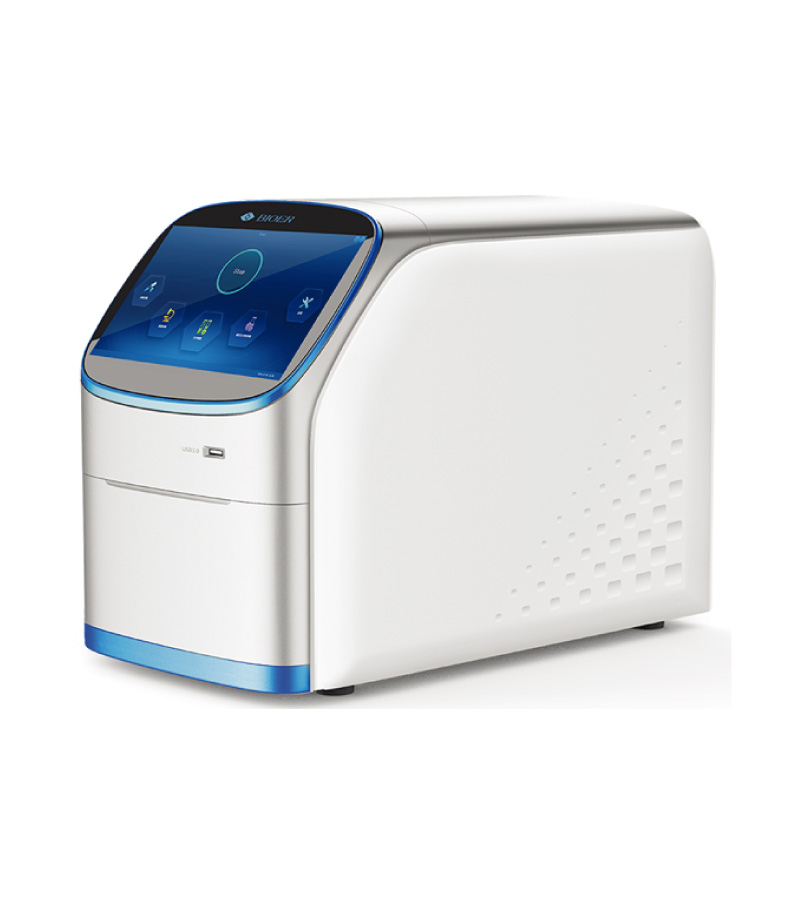
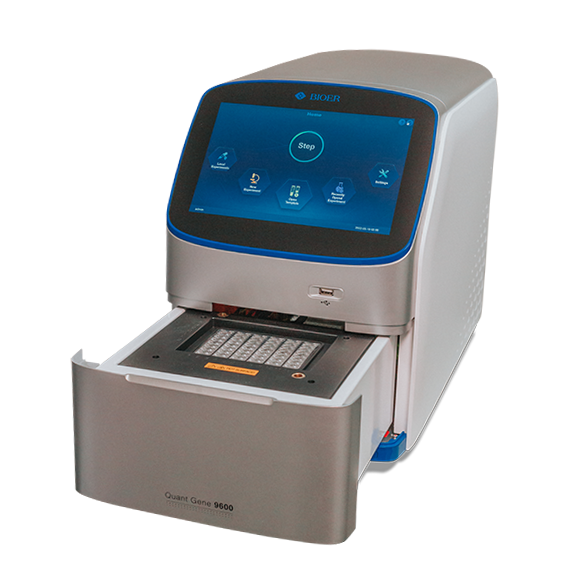
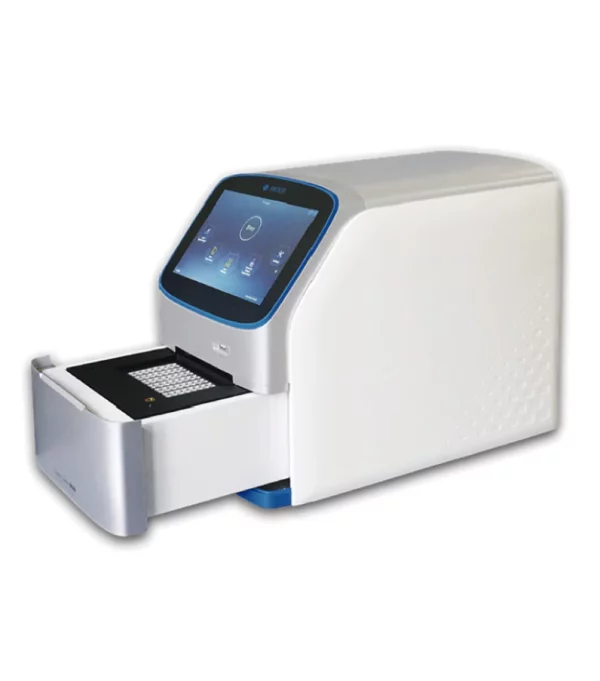
The Fluorescent Quantitative Detection System is an automated instrument for quantitative analysis of related DNA/RNA in human sample using the polymerase chain reaction, fluorescent quantitative detection of fluorescence. The instrument is for in vitro diagnostic use only. Application areas include human genome research, forensics, cancer, tissue, population biology, paleontology, zoology and botany, and in clinical diagnosis of viruses, cancer and research.
The fluorescent quantitative detection system is designed for use by the professional user trained in molecular biological techniques and the operation of the fluorescent quantitative detection system.
Its principle is based on the use of DNA polymerase which is an in vitro replication of specific DNA sequences. This method can generate tens of billions of copies of a particular DNA fragment (the sequence of interest, DNA of interest or target DNA) from a DNA extract (DNA template). Thus, we can amplify nucleotide sequences from infinitesimal amounts of DNA extract. PCR is therefore a purification or cloning technique.